My clients often ask me if organic matters when it comes dietary upgrades when trying to conceive. Whilst the answer is typically yes, which I’ll explain below, my overall advice will always be whole foods and cooking at home are the foundation of upgrading your dietary choices to optimise your fertility.
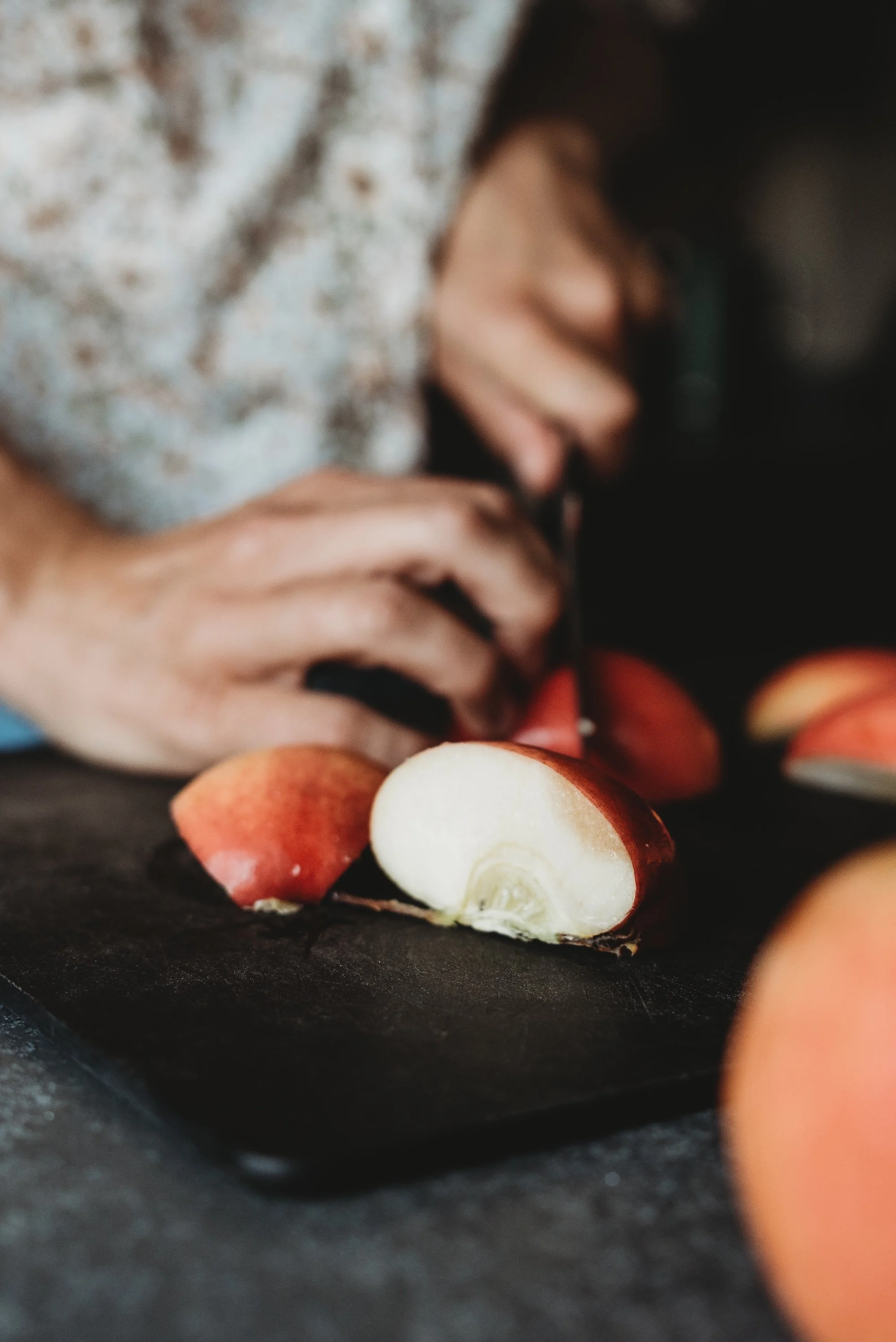
But why does organic food help with trying to conceive? A 2020 study compared organic vs. conventional apples and found that organic apples consistently contained much higher levels of key antioxidants. In addition, whilst the study focussed on apples, the mechanisms it highlights — higher phenolics, flavonols, and lower pesticide exposure in the organic apples — directly affect the gut microbiome, which is one of the biggest regulators of fertility through immune balance, inflammation, metabolism, and hormone regulation. The gut microbiome and it’s wider ecology impact is something I work on heavily with all of my clients so whilst an apple IS an apple, the direct impact organic has on the underlying mechanisms of fertility optimisation (particularly on the gut microbiome) is what’s important here.
Organic foods contain more polyphenols
Polyphenols feed beneficial gut bacteria. Polyphenols (like chlorogenic acid, quercetin, and kaempferol) found in higher levels in organic apples act as prebiotics. They are not fully absorbed in the small intestine, so they travel to the colon and feed beneficial microbes such as:
Akkermansia muciniphila
Coprococcus eutactus
Faecalibacterium
Bifidobacteria
Why this matters for fertility:
Better gut microbial diversity which results in lower systemic inflammation
More short-chain fatty acids (like butyrate) which improves egg & sperm quality
Improved insulin sensitivity which is essential for PCOS and ovulation
Better oestrogen metabolism which is important for endometriosis & luteal phase health
Organic apples in the study had 31–66% more polyphenols, meaning significantly more fuel for beneficial microbes.
Organic diets reduce pesticide exposure
Pesticides harm key fertility-supporting microbes. Conventional apples are repeatedly shown to contain high pesticide residue. Many pesticides are antimicrobial, meaning they kill or suppress gut bacteria.
Common consequences:
Loss of microbial diversity
Reduction of butyrate-producing bacteria (key for inflammation control)
Increased intestinal permeability (“leaky gut”)
Higher LPS levels which results in immune activation & inflammation
Dysregulated oestrogen metabolism via the oestrobolome
More oxidative stress in the reproductive system
Because organic farming avoids these chemicals, organic foods protect gut flora instead of harming them.
Polyphenols strengthen the gut barrier
Which regulates immune tolerance in fertility. For conception and implantation to occur, the immune system must reach a state of tolerance, not attack.
A healthy gut barrier produces:
Tight junction integrity
Lower inflammation
More T-reg cells (regulatory immune cells essential for embryo tolerance)
Flavonols like quercetin (much higher in organic apples) help:
Reduce gut inflammation
Strengthen barrier integrity
Support T-reg cell development via SCFAs
Lower inflammatory cytokines that impair implantation
This directly improves:
Endometrial receptivity
Luteal phase stability
Reduced risk of implantation failure
Reduced miscarriage risks linked to inflammation
Gut–immune cross-talk regulates autoimmunity and fertility
A large proportion of unexplained infertility is really immune dysregulation, especially in individuals with:
Hashimoto’s
Endometriosis
PCOS
Chronic EBV
Chronic inflammation
Recurrent miscarriage
Gut dysbiosis drives immune activation.
Polyphenols (higher in organic foods) and lower pesticide exposure help:
Reduce autoantibody production
Lower inflammatory immune cell activity
Boost T-reg cells that protect the embryo
Improve thyroid function through gut–thyroid signaling
Reduce chronic EBV reactivation by lowering inflammation
A healthier gut → calmer immune system → better fertility outcomes.
Gut microbes influence sex hormones
Especially oestrogen and androgens. Microbes metabolize hormones through the oestrobolome.
A healthy microbiome supports:
Balanced oestrogen levels
Lower oestrogen dominance (big for endometriosis, fibroids, PMS)
Better luteal phase
Improved testosterone balance in men
Because organic apples provide more polyphenols and less microbial-disrupting chemicals, they support a balanced oestrobolome.
Gut health impacts sperm quality too
Polyphenols + SCFAs from a healthy microbiome reduce:
Oxidative stress in testes
Inflammation that harms sperm
Insulin resistance that disrupts testosterone
DNA fragmentation
This is especially critical for male-factor cases, varicocele, and aging sperm.
Whilst this study was just about apples, Organic foods do provide you more “fertility nutrients” for your gut and fewer chemicals that disrupt hormones and microbiome balance. A healthier gut calms the immune system — and a calm immune system is essential to conceive and maintain a pregnancy.
WHICH ORGANIC FOODS SHOULD I PRIORITISE?
Buying everything organic can add up and it’s not always do-able but upgrading where you can make big differences to our hormones, gut health and fertility overall. Focusing on upgrading the ‘dirty dozen’ is a good place to start as well as dairy and meat. The most important thing is you eat whole foods no matter what status they are in terms of organic vs non-organic.
Dirty Dozen: https://www.ewg.org/foodnews/dirty-dozen.php
ORGANIC FOOD PROVIDERS
Buying in-season fruit and vegetable boxes as well as buying things like meat on subscription can really help financially, they also help you get into a rhythm of prioritising organic food with diversity. Here are some of my favourite suppliers:
Riverford: https://www.riverford.co.uk/
Abel and Cole: https://www.abelandcole.co.uk
Field and Flower: https://www.fieldandflower.co.uk
The Organic Butchery: https://www.organicbutchery.co.uk/